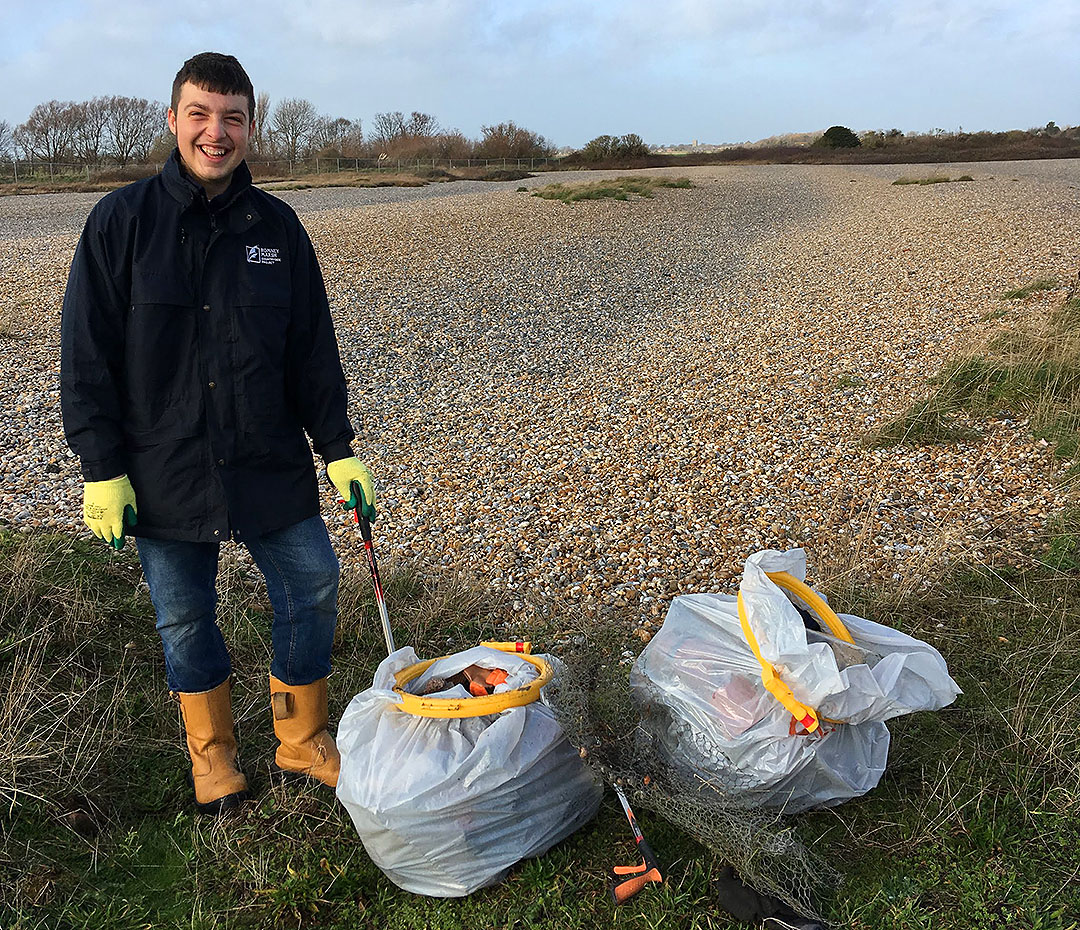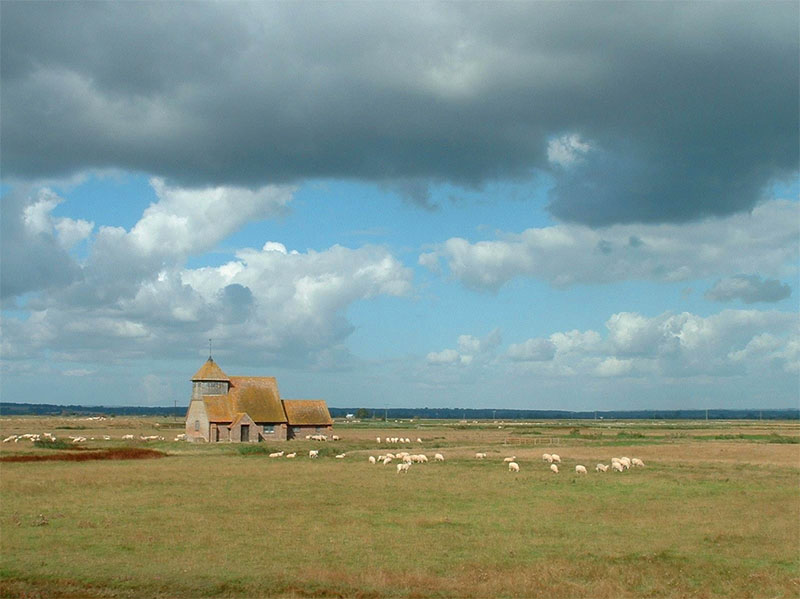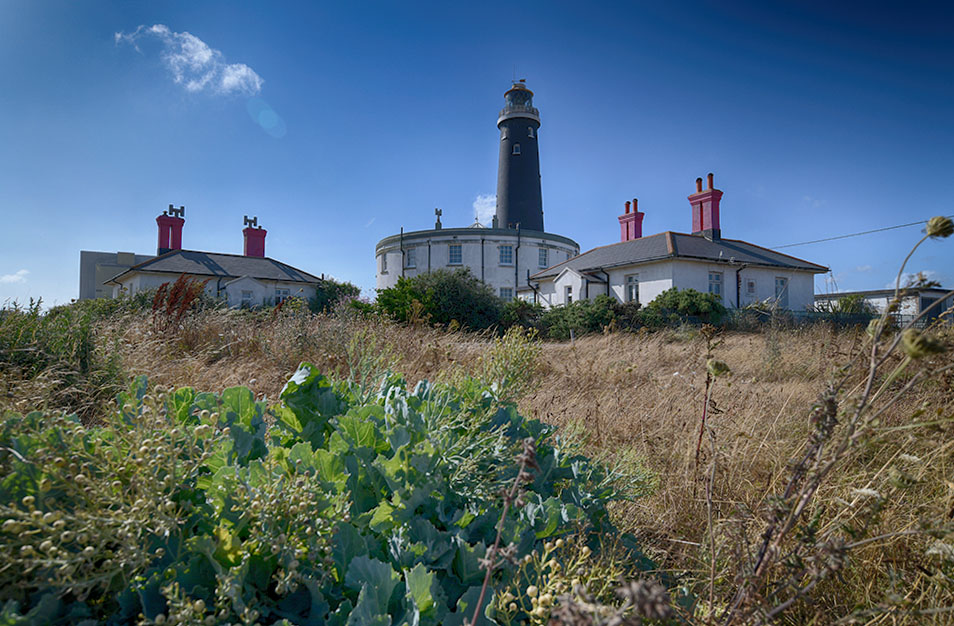
Volunteer Tasks January and February 2012
A full list of Volunteer tasks and Countryside activities, including events with the White Cliffs Countryside Partnership is available at http://www.whitecliffscountryside.org.uk/index.php?id_sec=9&id_sub=9
Tuesday 3rd January
DUNGENESS, TOP OF LONG PITS: WILLOW SCRUB CLEARING
We will continue to cut down the Willow scrub from the area of land owned by CEMEX, adjacent to the Long Pits- a real winter warmer, workout! This rare shingle habitat is a SSSI and the scrub removal will benefit the unique wildlife of this site. LEADER: Mark Tuson, Romney Marsh Countryside Partnership (01797 367934 or 07971 276698 MEET: 9.20am Wood Avenue, 9.30am Folkestone, 9.45am Red Lion Hotel, Hythe, 10.00am Ocean Inn, Dymchurch, 10.10am Cinque Ports Arms, New Romney or 10.20am on the junction of Kerton Road with Dungeness Road, Dungeness (TR 085 187).
Sunday 8th January
HAMSTREET WOODS NNR: COPPICING
An opportunity to learn about the age old practice of coppicing and the benefits this brings to one of the best areas of ancient woodland in Britain. We will be coppicing along the woodland rides so there is plenty of practical work to get stuck into. It’s a good idea to bring wellies if it has been raining as the clayey ground can get a bit muddy. LEADER: Mark Tuson, Romney Marsh Countryside Partnership (01797 367934 or 07971 276698) MEET: 9.20am Wood Avenue, 9.30am Folkestone, 9.45am Red Lion Hotel, Hythe, 10.00am Ocean Inn, Dymchurch, 10.10am Cinque Ports Arms, New Romney or 10.40am Bournewood car park, at the end of Bourne Lane (the entrance to Hamstreet Wood NNR) (TR 004 338).
Friday 20th January
GREATSTONE DUNES SEA BUCKTHORN CUTTING
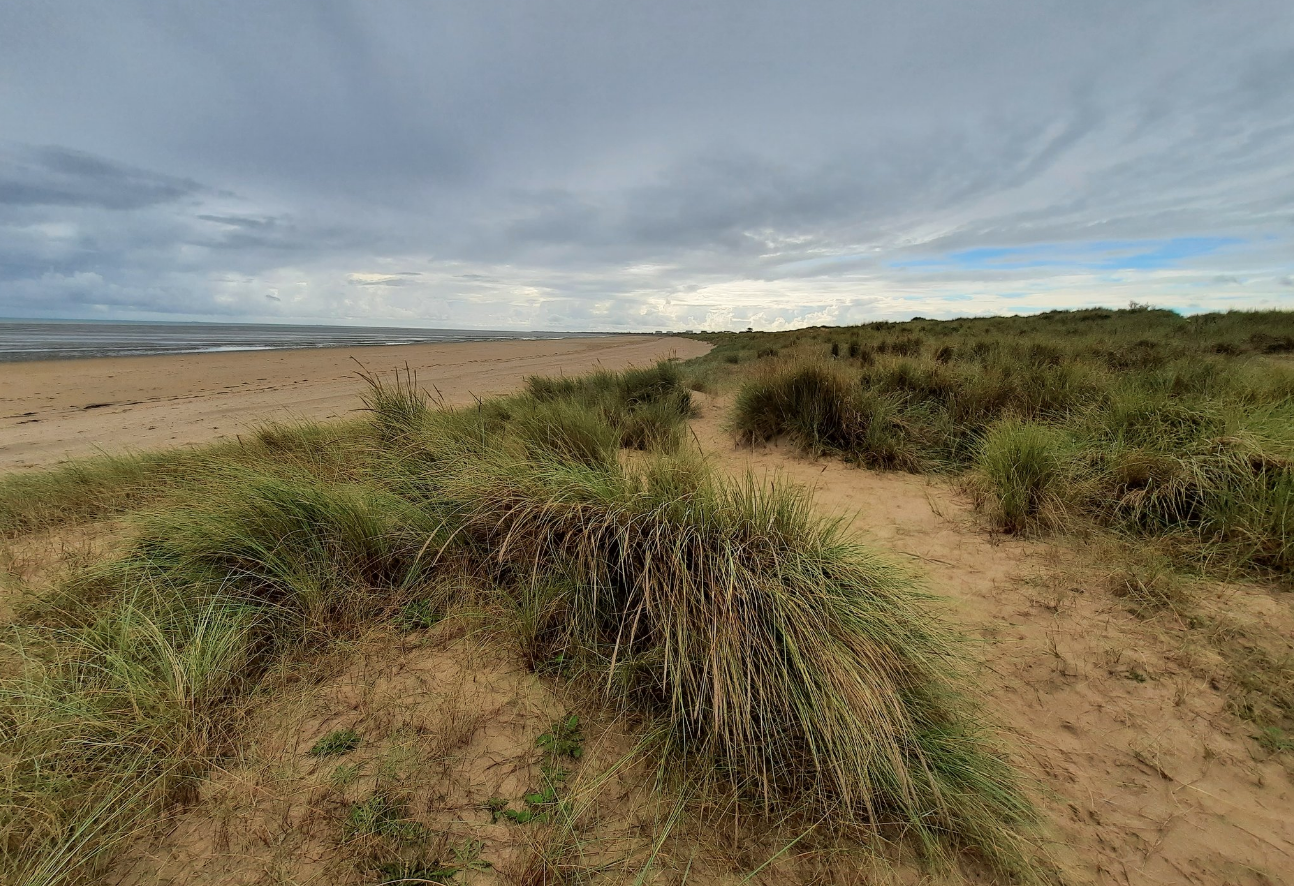
This will be our third year in tackling the thorny Sea Buckthorn scrub that has spread over the dunes, threatening the rarer species of plants and animals. The first area cut back in 2009 is gradually returning to Dune grassland with some very colourful flowers in the summertime. Make sure you wear some thick, winter, working clothes to keep out the cold and the prickles!
LEADER: Mark Tuson, Romney Marsh Countryside Partnership (01797 367934 or 07971 276698). MEET: 9.20am Wood Avenue, 9.30am Folkestone, 9.45am Red Lion Hotel, Hythe, 10.00am Ocean Inn, Dymchurch, 10.10am Cinque Ports Arms, New Romney or 10.20am at Varne Boat Club car park, next to Littlestone Lifeboat (TR 083236).
Tuesday 24th January
DUNGENESS, TOP OF LONG PITS: WILLOW SCRUB CLEARING
We will continue to cut down the Willow scrub from the area of land owned by CEMEX, adjacent to the Long Pits- a real winter warmer, workout! This rare shingle habitat is a SSSI and the scrub removal will benefit the unique wildlife of this site. LEADER: Mark Tuson, Romney Marsh Countryside Partnership (01797 367934 or 07971 276698 MEET: 9.20am Wood Avenue, 9.30am Folkestone, 9.45am Red Lion Hotel, Hythe, 10.00am Ocean Inn, Dymchurch, 10.10am Cinque Ports Arms, New Romney or 10.20am on the junction of Kerton Road with Dungeness Road, Dungeness (TR 085 187).
Sunday 5th February
ROMNEY WARREN COUNTRY PARK: HEDGE LAYING
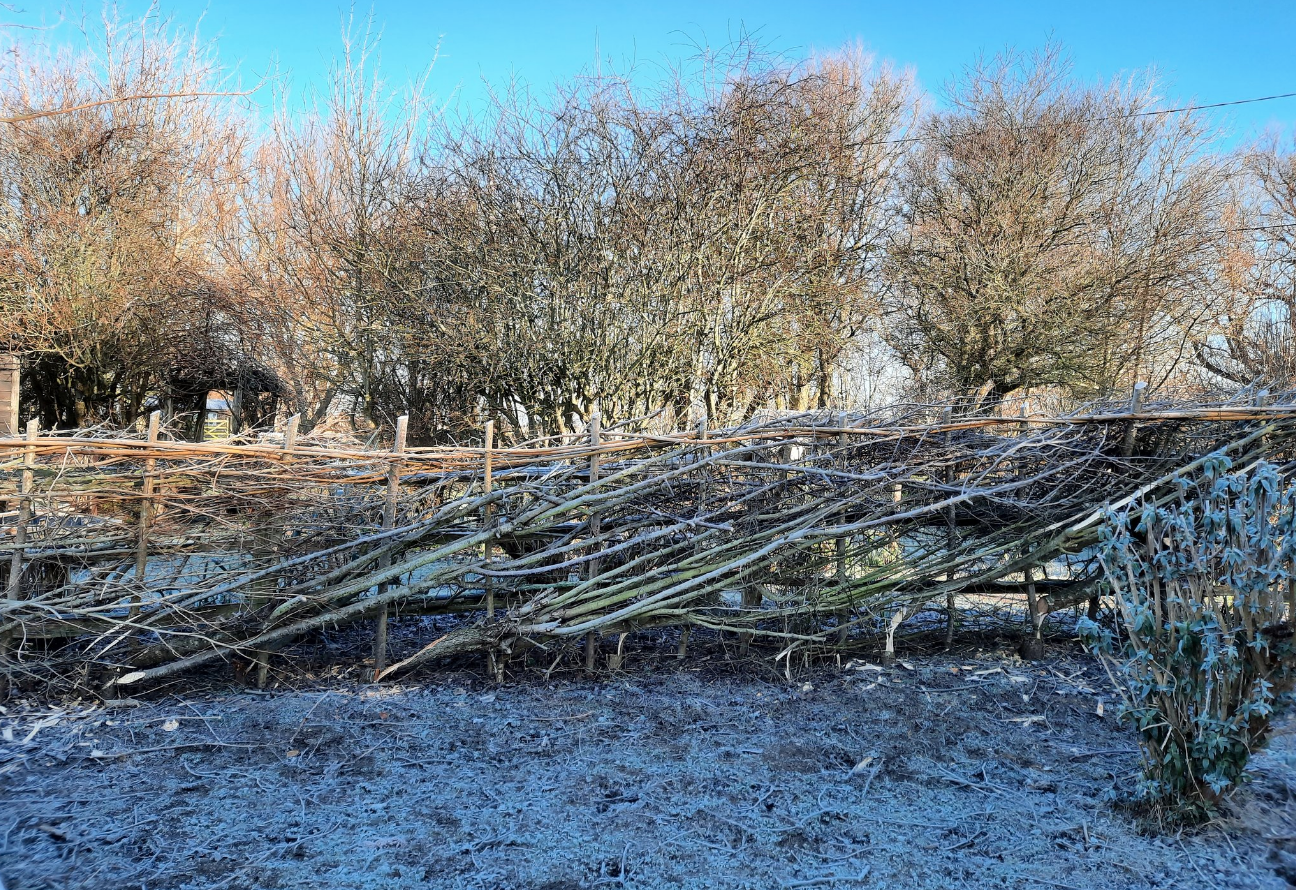
This is a great opportunity to learn about the traditional method of hedgerow management and the different tools you need to do it. We will be working on a new section of hedge in the large Sheep field at the Romney Warren Country Park. There will be billhooks, pleachers, tea and a warming fire. LEADER: Owen Leyshon and Mark Tuson, Romney Marsh Countryside Partnership (01797 367934 or 07971 276698). MEET: 9.20am Wood Avenue, 9.30am Folkestone, 9.45am Red Lion Hotel, Hythe, 10.00am Ocean Inn, Dymchurch, or 10.10am at New Romney Warren Visitor Centre car park, between New Romney and St. Mary’s Bay, by the railway bridge off the A259 (TR 078 261).
Wednesday 8th February
DUNGENESS, TOP OF LONG PITS: WILLOW SCRUB CLEARING
We will continue to cut down the Willow scrub from the area of land owned by CEMEX, adjacent to the Long Pits- a real winter warmer, workout! This rare shingle habitat is a SSSI and the scrub removal will benefit the unique wildlife of this site. LEADER: Mark Tuson, Romney Marsh Countryside Partnership (01797 367934 or 07971 276698 MEET: 9.20am Wood Avenue, 9.30am Folkestone, 9.45am Red Lion Hotel, Hythe, 10.00am Ocean Inn, Dymchurch, 10.10am Cinque Ports Arms, New Romney or 10.20am on the junction of Kerton Road with Dungeness Road, Dungeness (TR 085 187).
Tuesday 14th February
GREATSTONE DUNES SEA BUCKTHORN CUTTING
This will be our third year in tackling the thorny Sea Buckthorn scrub that has spread over the dunes, threatening the rarer species of plants and animals. The first area cut back in 2009 is gradually returning to Dune grassland with some very colourful flowers in the summertime. Make sure you wear some thick, winter, working clothes to keep out the cold and the prickles!
LEADER: Mark Tuson, Romney Marsh Countryside Partnership (01797 367934 or 07971 276698). MEET: 9.20am Wood Avenue, 9.30am Folkestone, 9.45am Red Lion Hotel, Hythe, 10.00am Ocean Inn, Dymchurch, 10.10am Cinque Ports Arms, New Romney or 10.20am at Varne Boat Club car park, next to Littlestone Lifeboat (TR 083236).
Guided Walks and Cycle Rides Early 2012
A full list of Countryside activities, including events with the White Cliffs Countryside Partnership is available at http://www.whitecliffscountryside.org.uk/index.php?id_sec=9&id_sub=9
Sunday 29th January 2.00 pm
FROM SEA SHORE TO SALTWOOD
It’s a bracing stroll along the sea wall at Hythe to start this walk before heading inland to explore the hilly terrain around the village of Saltwood. Expect dramatic views of steep sided valleys, a medieval castle and some winter wildlife surviving the cold weather. Donation appreciated. LEADER: Mark Tuson, Romney Marsh Countryside Partnership (01797 367934 or 07971 276698). MEET: Pay and display Car Park, Corner of Twiss Road and Princes Parade (opposite the Imperial Hotel), Hythe (TR169343). DISTANCE: 5 miles (2.5 hours) GRADE 4
Monday 13th February 2.00 pm
DAMBUSTERS AT WEST HYTHE (Green Gang)
Hop, skip, jump and bounce along to the dam on the Royal Military Canal at West Hythe and learn about the ways that wildlife survives the cold winter months. What better way to keep warm! Rain, ice and even snow will make the paths slippery – boots or wellies are needed for this event. Donation appreciated. LEADER: Mark Tuson, Romney Marsh Countryside Partnership (01797 367934 or 07971 276698). MEET: Car Park, bottom of Lympne Hill, West Hythe (TR125342). DISTANCE: 1 miles (2 hours) GRADE 2
Sunday 11th March 2.00 PM
CYCLE RIDE: FUN, FAMILY BIKE RIDE AND ITS ALL FLAT!
The first of the Romney Marsh bike rides of 2012 and let’s hope for a warm and sunny, early spring day. Let’s enjoy the first signs of Spring; the splash of colour from yellow daffodils and white snowdrops in the churchyards, hares running across the fields, the first butterfly, maybe even a splash of rain! Children over 9ish with accompanying adult welcome. Donation appreciated. LEADER: Owen Leyshon, Romney Marsh Countryside Partnership (01797 367934 or 07770 670316). MEET: Lathe Barn Tea Rooms, Donkey Street, Burmarsh. (TR107323). DISTANCE: 12 miles (2.5 hours)
Buckthorn Tuesdays at Greatstone
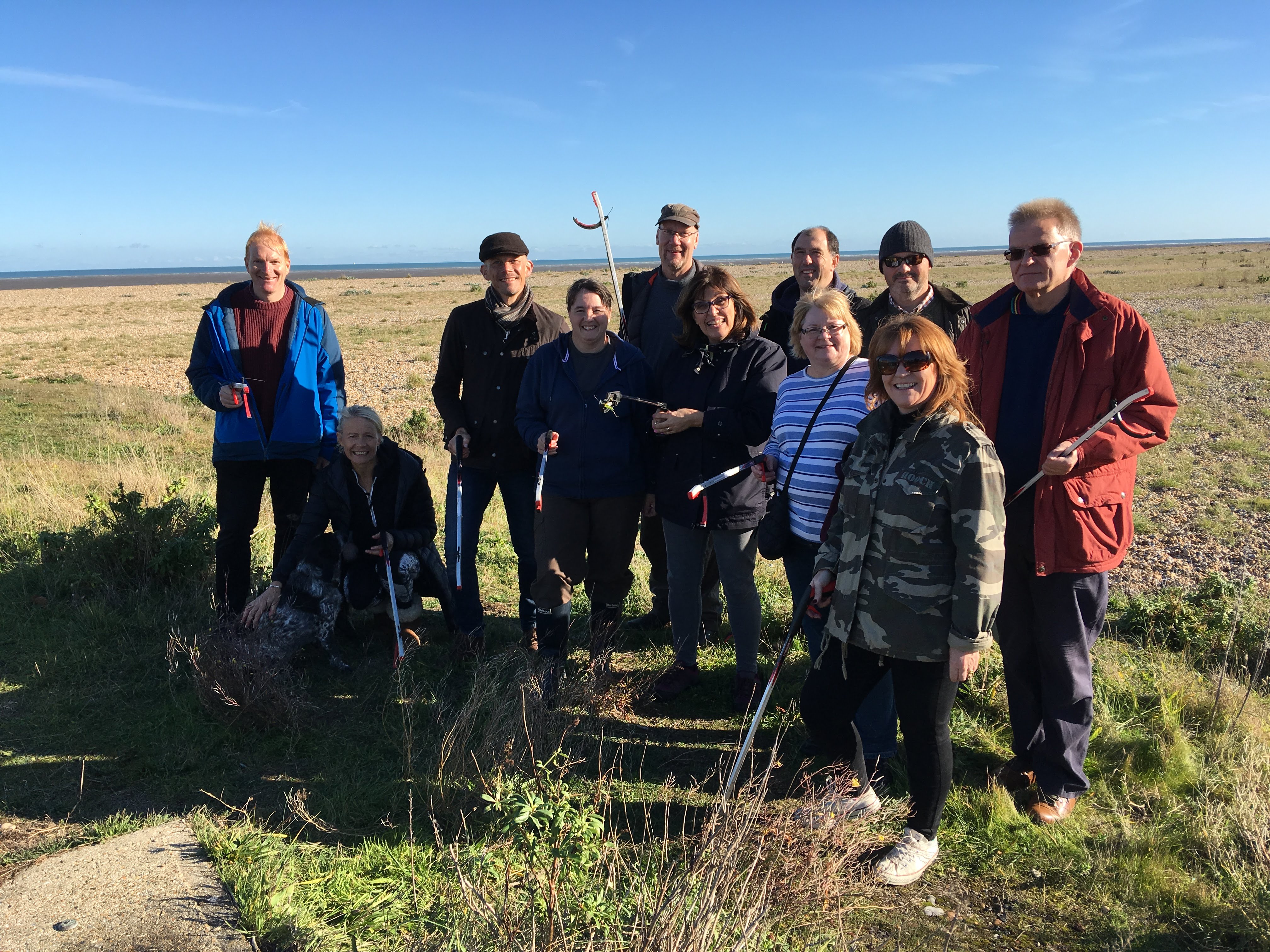
There will be extra Sea Buckthorn removal tasks at Greatstone Dunes on Tuesdays in January and February 2012. This is in addition to our planned programme of volunteer tasks (see above). Meet from 10 a.m. at the Varne Boat Club car park, next to the Littlestone Lifeboat, Coast Drive Greatstone. We will continue to cut and remove the Sea Buckthorn which has spread over large areas and threatens the unique wildlife of the dunes. .Make sure you wear some thick, winter, working clothes and boots or sturdy shoes to keep out the cold and the prickles. We will supply gloves, tools and hopefully good weather!
Please note that Tuesday 24th January is a task day at the Cemex site on Dungeness and there will be no extra task day on the 28th February
For further information call Mark or Owen at the Romney Marsh Countryside Partnership (01797 367934 or 07971 276698). It is possible that a lift share can be arranged for those without transport in the New Romney area or further afield.
Calling all walkers and cyclists!
Do you enjoy exploring the countryside of the Romney Marsh?
Would you like to walk or cycle a route of the Marsh or surrounding area and help keep it in good condition?
The Romney Marsh Countryside Partnership has 19 circular walking routes, on public rights of way, and 5 cycle routes on the quiet lanes. Each walk and cycle explores the wildlife and history of that area; from the smuggling heritage of Dymchurch to the ruined churches around New Romney and the wildlife along the Royal Military Canal.
We need volunteers to walk and cycle the routes, checking that routes are clear, signposted correctly and bridges and stiles are safe. You may like to do a single route as a one-off or do a series of routes in a particular area; perhaps you would like to adopt your local route and walk or cycle it on a regular basis.
The route packs have been published to encourage local people and visitors to explore the Romney Marsh countryside; the more people using the footpaths and lanes the more likely they will be better maintained in the future! So just choose a route, with walks and cycles from Hythe to Appledore to Lydd to New Romney, there is something for eveyone in the Shepway area!
If you are interested please contact Mark or Owen at the Romney Marsh Countryside Partnership on 01797 367934 or e-mail: mail@rmcp.co.uk
Romney Marsh Countryside Partnership Facebook page
The Romney Marsh Countryside Partnership has a Facebook page. Please see www.facebook.com/RMcountrysidepartnership for more details about forthcoming events and wildlife news and become a Friend of RMCP!
Sound Mirrors
After organising and leading the ever popular Sound Mirror guided walks for 13 years with Dr Richard Scarth, the Romney Marsh Countryside Project is pleased to say that this years open days and tours have been a success.
Although this is the case there will be no more sound mirror dates for 2011, im afraid people interested will have to wait until we have organised them for 2012!
The concrete structures at Denge are the remains of part of an acoustic
early warning system, designed to detect engine sounds from approaching
aircraft. They are known as 'Sound Mirrors' and were constructed in the
years 1928-1930. The Mirrors were manned at various times by civilian scientists,
and service personnel from the Royal Engineers and Royal Air
Force. They were used experimentally in Air Defence of Great Britain Exercises
in the 1930's, when information was transmitted to plotting centres at
Hythe and RAF Uxbridge. The Denge mirrors were part of an intended
chain defending the South East. At Lade Pits, on the island are a 20ft mirror,
a 30ft mirror and a 200ft wall.
The Romney Marsh Countryside Partnership with the world expert Dr. Richard
Scarth have been leading free non-booking, guided walks out to the
Sound Mirrors for 11 years now.
Facts on the Sound Mirrors
20ft Mirror
The small mirror, a 20 foot concave dish, dates from
1928. A 'listener' stood on a platform in front of the
mirror, controlling a moveable sound collector in the
focal area. The collector was connected by tubing to
a stethoscope worn by the listener, who was able to
detect the loudest reflected sound as he manipulated
the collector, and via scales on the equipment,
he obtained a bearing on the aircraft.
30ft Mirror
The 30 foot concave dish mirror, with its increased
surface area, was completed in April 1930. The
method of collecting the sound was similar to that at
the 20 foot mirror, but in this design, the listener was
protected from the elements in his enclosed chamber
under the bowl. His stethoscope was connected to an
overhead sound collector, mounted on a vertical shaft
passing through the roof and into the bowl, which he
controlled by wheel and foot pedals. By searching the focal area of the
mirror, the listener could read off the bearing of an approaching aircraft
from horizontal and vertical scales mounted on the equipment.
200ft Wall
The 200 foot mirror was completed in June
1930. Aircraft engines tended to emit long
wave sounds, and it was an advantage to
design large detecting surfaces, culminating
in the 200 foot mirror at Denge. It consists
of a segment of a sphere, curved in
plan and elevation, measuring 200 by 26 feet. The Romney, Hythe and
Dymchurch Railway was extended to Dungeness at the time, and a branch
line was used to convey building materials and personnel to the site. Multiple
microphones connected to a central control room were placed behind a
front wall concentric with the main mirror. The microphones were very directional,
and as they responded to sounds reflected from particular areas
of the mirror, it was possible for an operator in the control room to assess
the bearing of an approaching aircraft.
Spring Flies
I am sure most of you have noticed some of the obvious signs of spring in recent weeks, whether it is hearing the first cuckoo or the first swallow, glimpsing the first butterfly on the wing, or maybe frog spawn in the garden pond, or the sight of flowering bluebells in the woodlands bordering the Marsh.
Let me suggest another sign of spring - if you are able to explore or walk in the countryside at the moment - look out for the appearance of the St.Mark's Flies.
These are the jet black, furry flies which the males when they fly allow a long pair of dangling legs to hang down below the body. The flight of these harmless flies is quite weak and they tend to dance by rising and falling just above the grass or on a sheltered side of a hedgerow or wood.
The females are bigger than the males, have smaller eyes and smoky wings and it is the female which makes a tunnel in the sandy or loose soil and lays several hundred eggs, which the fly larvae then eat the roots of most vegetation, especially the grasses.
If you find a suitable place, you can come across thousands of them swarming in a loose grouping in the middle of sunny, warm days in the spring. I took this picture of a male St.Mark's Fly between New Romney and Greatstone along the edge of a hedgerow out of the strong NE winds we have been experiencing.
The name St.Mark's flies come from the appearance of these flies usually around the 25th April on St.Mark's Day, which is celebrated across Europe. However, unfortunately for the fly their lives are short, with the fly living for only a week or two at most - depending on the weather.
Owen Leyshon
Toads
Many years ago, one of our efforts to help the toad population in New Romney was to place old riot shields down on their side, which were donated by Dover Prison along the boundary of some horse fields and the ever busy Ashford Road. We then dug in big flowerpots next to the riot shields and when the wet, mild weather in March triggered the toads to charge across the fields at night to get to the other side of the road to breed in their favoured ditch - they found a plastic barrier in their way.
They then turned left or right and fell into the flowerpots (which had a small roof over them) and the local residents and ourselves would be able to collect the toads out of the pots in the morning and take them in buckets across the road and plop them in the ditch - easy!
I remember in the past running up and down the road in high vis jackets and torches at night in March trying to rescue the toads before a car would drive along and squash them.
On a bigger scale, a toad tunnel has been constructed under the busy road up to Lyminge and Elham by the roundabout down by Folkestone Rugby Club at Beechborough. Many thousands of toads migrate back and forth along the tunnel under the road. Before the tunnel was constructed and the money was raised, many volunteers were carrying out the same operation in taking the toads over in buckets!
Toads are having a tough time nationally and their numbers are dwindling across the Romney Marsh and Dungeness. Decades ago, thousands of toadlets could be found crawling across Dungeness and other parts of the Marsh in the summer, but such a site is rather scarce now. Locals tell me they would lift up the road drains and lift out the toads in good numbers in the past.
I am aware of toad breeding ditches just north of New Romney, around the back of the Lade pits (by the Sound Mirrors), the Long Pits at Dungeness, but I am struggling elsewhere across the Marsh. They are fussy breeders and although you might find them in your garden and in your pond, they do like old, large established ponds and in particular large ditches which is not choked with reeds to breed in.
Toads can tolerate fish in the waterbodies where they breed and the tadpoles which are black, are distasteful to predatory fish, so they suffer less predation than frog tadpoles and newts.
Toads themselves have warty, bobbly skin which is again distasteful to many potential predators. Grass snakes will eat toads, rats will eat toads and usually only leave the skins. Crows and magpies will only eat the intestines of the toad and leave the rest, while Herons and other large wading birds will eat them whole.
The female toad is much bigger than the male and the male will mature to breed after 3 years, while the female takes 4, therefore you tend to come across more males at the spawning grounds than females – lucky females! The toad spawn itself is laid in strings in the water, compared to the Common Frog spawn which is laid in clumps and blobs.
If you know or see toads on the Marsh or Dungeness, please let me know. I am also interested in any old historical breeding sites for toads.
Bumble Bees
The weather in the South East is already feeling spring like - the water levels are dropping in the ditches and the rainfall figures for the Marsh will be below the average for March, some of the temperatures in the last week or two have been more like May.
If you are spending time in your garden or in the wider countryside you might have noticed in recent weeks, large queen bumble bees buzzing loudly around some fruit blossom, the odd spring flower or a patch of long grass.
The bumble bees in my garden are feeding on the pink Flowering Currants which to me feel like they are in bloom a little bit early. The other quality flower you can grow in your garden for the early bumble bees is the Lungwort, which has the white spotted, pointy leaves and the dark blue and purple trumpet like flowers.
A bumble bee colony needs nectar as a fuel for the adult bee and pollen for the developing larvae. The spring is very important for a potential bumble bee colony as they need good places to forage for nectar and the pollen. Bumble bees could nest in a birdbox, under a shed or in a garage or most likely in a vole or mouse hole in the long grass.
Across the Romney Marsh and Dungeness there has been plenty of initiatives over the last 15 years to encourage landowners to seed clover margins to their arable fields to help out the bumble bees. You could accurately state that the Dungeness landscape is one of the top places in Britain for bumble bees - in diversity and quantity.
I had a text from a keen gardener who said she had a large bumble bee with a buff bottom buzzing loudly around the garden - that species would be one of the commonest species of bee you could find in the spring - the buff tailed bumble bee (Bombus terrestris). The stripy queens are very large and they do have a big buff bottom - say no more.
As you know as the summer progresses the bumble bees nest develop and the workers are born and they develop the nest further. Then finally new males and females are produced, which after mating, the new queens hibernate.
Final question for you - What do Bumble Bees say in the summer? - S'warm.
|